How to Reset Your Budget After Overspending: A Step-by-Step Recovery Plan
Budget reset addresses overspending-caused financial disruption through systematic spending realignment with income. This process involves four core components:…
Expert insights, data-driven guides, and actionable advice.
Expense tracking feels hard because of effort-reward imbalance, emotional aversion, decision fatigue, and delayed feedback. Learn psychological strategies to make tracking sustainable without the cognitive overload.
The 8 most common budgeting mistakes — from building budgets on estimates instead of data to ignoring lifestyle inflation — and exactly how to correct each one for a budget that actually works.
When a budget never works, the problem is structural — not personal. Learn to identify method-person mismatches, income-expense gaps, emotional barriers, and how to find a budget system that fits your cognitive style.
Budgeting with irregular income requires priority-based allocation, income smoothing, and larger emergency reserves. Learn frameworks designed for freelancers, commission workers, and variable-income earners.
A broken budget is information, not failure. Learn the 4-step budget recovery process: diagnose the failure mode, establish your financial baseline, rebuild with the right framework, and build structural failure prevention.
Budgets fail because of design flaws, not discipline failures. Learn the real causes — unrealistic targets, forgotten irregular expenses, deprivation traps, and decision fatigue — and how to build a budget that survives.
Something unexpected will happen — the exact thing is unknowable. Learn the three-line defense: sinking funds, emergency fund, and category buffers that absorb the shock.
Loose budgeting controls the big numbers while ignoring the small ones. Learn the Big Three framework, the spending account method, and why 85% tracking beats 100% burnout.
Multiple paychecks create a timing problem disguised as an income problem. Learn paycheck allocation, three-paycheck months, and the buffer account that eliminates timing stress.
Financial setbacks crash through budgets without warning. Learn the 90-day stabilization budget, the grief-to-acceptance cycle, and how to rebuild savings after depletion.
Explore our most recent guides and insights on this topic.
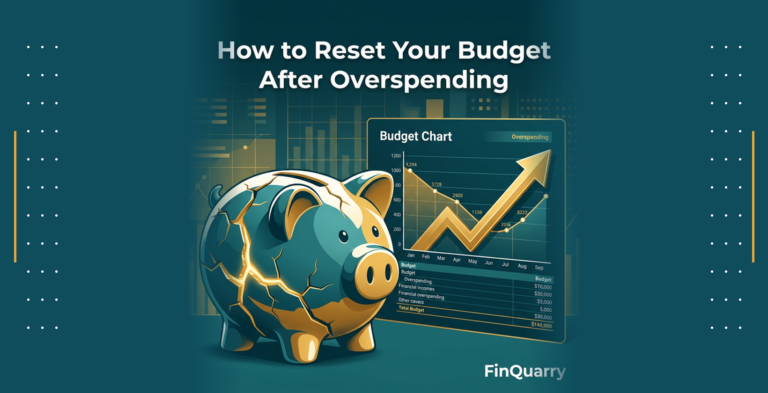
Budget reset addresses overspending-caused financial disruption through systematic spending realignment with income. This process involves four core components:…
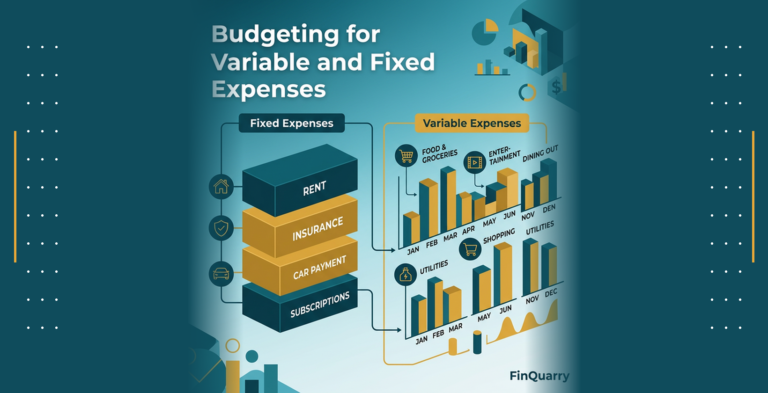
Managing money effectively requires understanding how different expense types behave. Some costs stay constant regardless of activity levels.…

Psychology affects financial decisions by introducing cognitive biases, emotional responses, and mental shortcuts that systematically override rational analysis.…

Money psychology refers to the study of how psychological factors—including emotions, cognitive biases, personality traits, and mental models—influence…
Join 25,000+ readers for expert insights delivered weekly.