How to Reset Your Budget After Overspending: A Step-by-Step Recovery Plan
Budget reset addresses overspending-caused financial disruption through systematic spending realignment with income. This process involves four core components:…
Expert insights, data-driven guides, and actionable advice.
Invisible overspending through subscription creep, lifestyle inflation, frictionless payments, and small transaction accumulation can silently drain $300-500/month. Learn how to find and fix the leaks.
When fixed expenses consume your entire paycheck, standard budgeting advice fails. Learn micro-budget strategies, the obligation audit, and how to find hidden room in a seemingly locked financial situation.
Starting a budget? Expect Month 1 surprises, the Week 3 motivation dip, and the three numbers that matter most. A warm beginner’s guide to budgeting basics explained simply.
Budgeting is planning where money should go. Expense tracking is observing where money went. Learn when to use each tool, when to use both, and why confusing them causes financial frustration.
A realistic budget starts with actual spending data, matches complexity to personality, includes guilt-free spending, and aims for 80% — not 100% — compliance. Build a budget that survives real life.
If you hate budgeting, you are not bad with money — you are using the wrong tool. Learn the anti-budget, one-number budget, and envelope system: money management approaches that work without spreadsheets.
Budgets break mid-month through three predictable failure windows: willpower cliffs, irregular expense ambushes, and scarcity spirals. Learn the structural fixes that prevent mid-month collapse.
When income fluctuates monthly, traditional budgets collapse. Learn the priority waterfall system, buffer account strategy, and emotional management for variable-income financial stability.
Single-income budgeting requires a four-layer approach: survival floor, buffer zone, debt compression, and living money. Learn how to build financial stability when every dollar flows through one paycheck.
Budget without restriction using values-based allocation, automated savings, guilt-free spending categories, and the reverse budget approach. Manage money without depleting willpower.
Explore our most recent guides and insights on this topic.
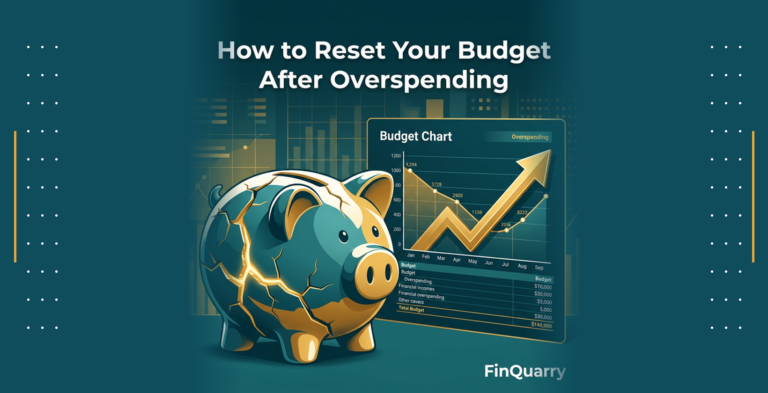
Budget reset addresses overspending-caused financial disruption through systematic spending realignment with income. This process involves four core components:…
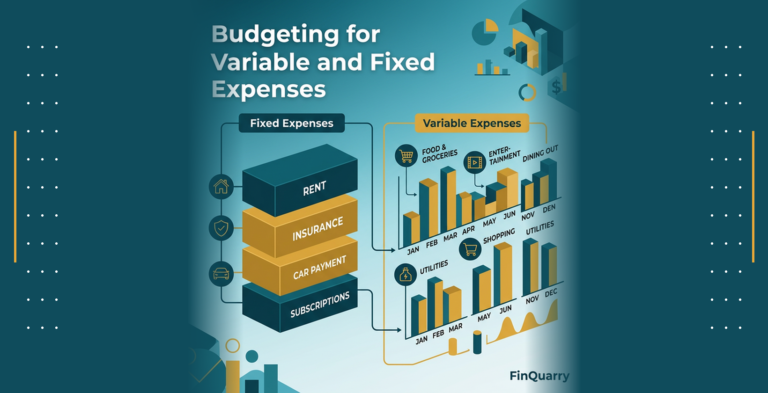
Managing money effectively requires understanding how different expense types behave. Some costs stay constant regardless of activity levels.…

Psychology affects financial decisions by introducing cognitive biases, emotional responses, and mental shortcuts that systematically override rational analysis.…

Money psychology refers to the study of how psychological factors—including emotions, cognitive biases, personality traits, and mental models—influence…
Join 25,000+ readers for expert insights delivered weekly.