How to Reset Your Budget After Overspending: A Step-by-Step Recovery Plan
Budget reset addresses overspending-caused financial disruption through systematic spending realignment with income. This process involves four core components:…
Expert insights, data-driven guides, and actionable advice.
Monthly budgets solve the month. Annual budgets solve the pattern — seasonal spikes, irregular costs, and predictable surprises that destroy monthly plans.
Budget calculators produce the first honest conversation with your finances. Learn five calculator types, scenario modeling, and how diagnosis leads to budget design.
Budgeting apps automate tracking but cannot change behavior. Learn the three app categories, the two-week engagement cliff, and how to use apps as diagnosis tools.
Five budgeting methods compared on setup time, weekly effort, control level, and sustainability. The best method is the one whose trade-offs match how you interact with money.
Budget templates provide structure and logic before you input a single number. Learn the five template types, how to choose the right one, and when to build custom.
Envelope budgeting makes spending physically visible. When the envelope is empty, spending stops. The oldest budgeting system solves the abstraction problem that digital spending created.
The 50/30/20 rule divides income into needs, wants, and savings. It is the most recommended budgeting framework — and for a growing number of people, the math does not fit.
A zero-based budget assigns every dollar of income a specific purpose before the month begins. The equation always ends at zero — not broke, but fully allocated.
A monthly budget that survives from the first to the last day requires a specific order of operations — five layers where each layer protects the one above it.
Explore our most recent guides and insights on this topic.
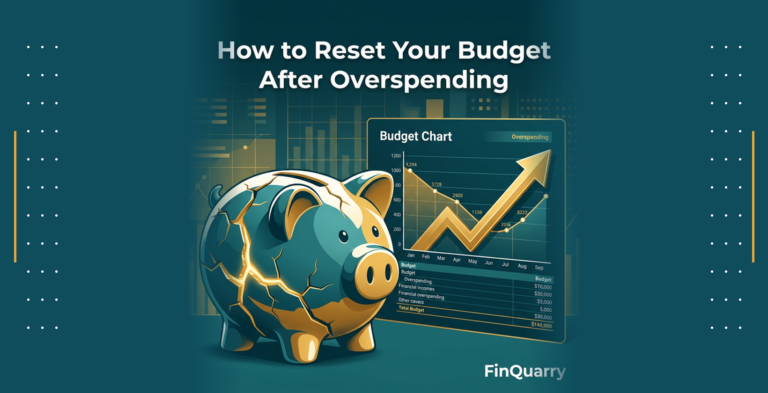
Budget reset addresses overspending-caused financial disruption through systematic spending realignment with income. This process involves four core components:…
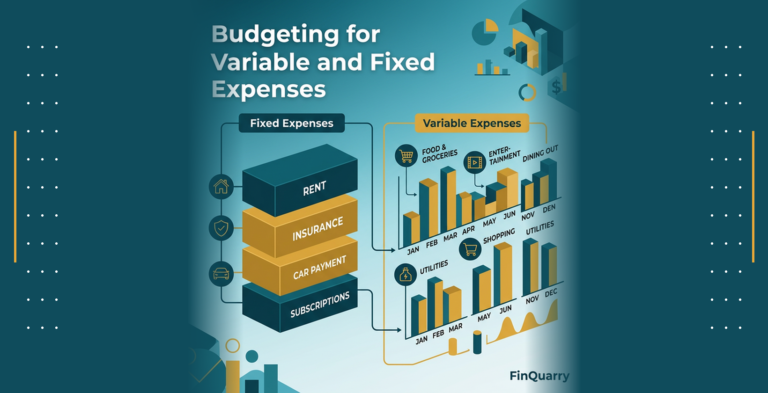
Managing money effectively requires understanding how different expense types behave. Some costs stay constant regardless of activity levels.…
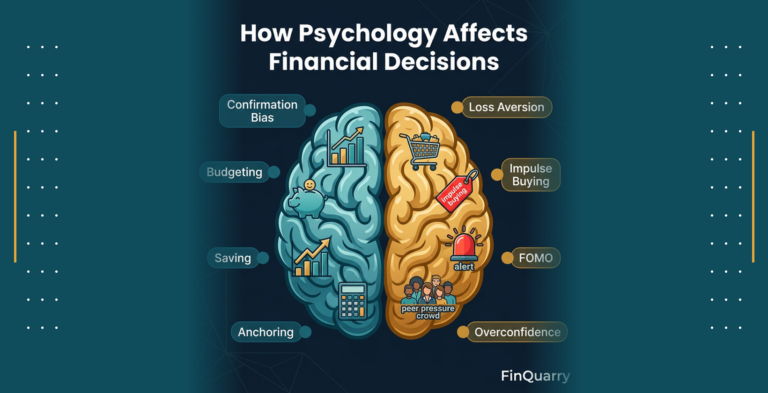
Psychology affects financial decisions by introducing cognitive biases, emotional responses, and mental shortcuts that systematically override rational analysis.…

Money psychology refers to the study of how psychological factors—including emotions, cognitive biases, personality traits, and mental models—influence…
Join 25,000+ readers for expert insights delivered weekly.