How to Reset Your Budget After Overspending: A Step-by-Step Recovery Plan
Budget reset addresses overspending-caused financial disruption through systematic spending realignment with income. This process involves four core components:…
Expert insights, data-driven guides, and actionable advice.
A budget manages this month. A financial plan manages the next decade. Learn why you need both, how they connect through the planning-budgeting pipeline, and when to graduate.
One-third of people earning $200K+ live paycheck to paycheck. Learn the satisfaction test, the selective downgrade, and the raise allocation rule to reverse lifestyle creep.
Money is the top source of relationship conflict. Learn three shared expense models — joint account, category assignment, and one-pays-one-saves — plus the emotional navigation.
59% of Americans cannot cover a $1,000 emergency. Learn the three types of unexpected expenses and the sinking fund + emergency fund architecture that absorbs them.
You made the budget. You tracked the spending. The savings account barely moved. Learn why present bias, abstraction, and effort-reward mismatch make saving feel impossible.
Apps are not the only way to budget — and for many people, they are not even the best way. Learn manual budgeting with paper, spreadsheets, and the envelope system.
Bills arrive on the 3rd, 7th, 15th, 22nd, and 28th. Your paycheck comes twice a month. Learn four timing alignment strategies that prevent cash flow from breaking your budget.
Total U.S. household debt reached $18.04 trillion in 2024. Learn the three-compartment budget model for managing money when debt payments consume your paycheck margin.
Every budget is an exercise in prioritization. Learn the five-level priority stack: survival floor, financial protection, debt acceleration, future building, and quality of life.
Budget categories are the difference between knowing where money goes and wondering where it went. Learn the four-layer category system grounded in BLS spending data.
Explore our most recent guides and insights on this topic.
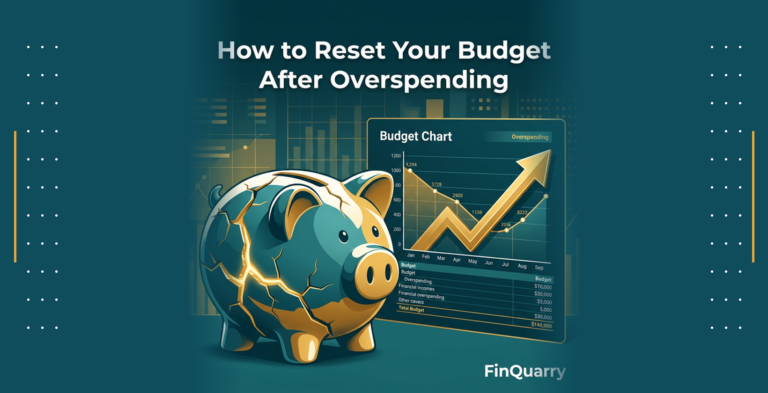
Budget reset addresses overspending-caused financial disruption through systematic spending realignment with income. This process involves four core components:…
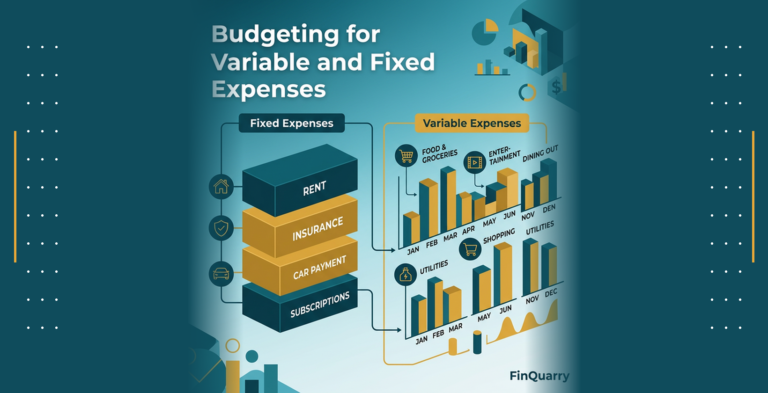
Managing money effectively requires understanding how different expense types behave. Some costs stay constant regardless of activity levels.…
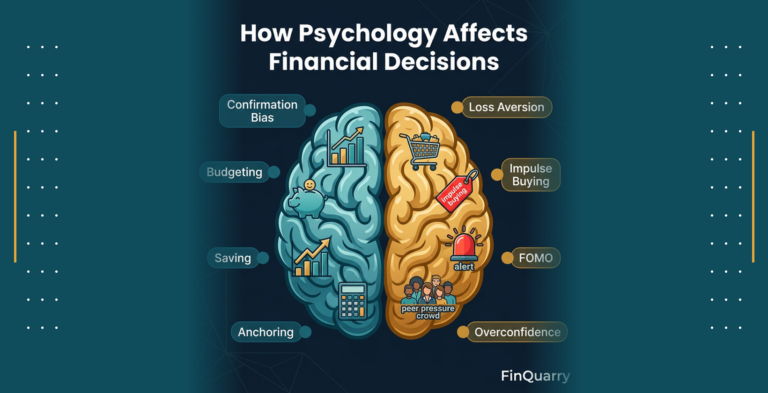
Psychology affects financial decisions by introducing cognitive biases, emotional responses, and mental shortcuts that systematically override rational analysis.…

Money psychology refers to the study of how psychological factors—including emotions, cognitive biases, personality traits, and mental models—influence…
Join 25,000+ readers for expert insights delivered weekly.