Table of Contents
Contents are generated from article headings.
There is no single minimum credit score required to buy a car. Auto lenders evaluate creditworthiness using multiple factors, with approval decisions varying by lender type, vehicle characteristics, and borrower financial profile. As of 2026, credit scores influence both approval probability and loan terms, but they do not determine outcomes in isolation.
Understanding how auto lenders assess credit helps car buyers estimate approval odds, anticipate interest rate ranges, and identify which financial factors matter most in their specific situation. This guide explains the complete lender decision model, not just credit score thresholds.
The common misconception is that a specific credit score guarantees approval or defines eligibility. In practice, lenders use credit scores as one risk signal within a broader underwriting model that includes income verification, debt obligations, vehicle value, and loan structure. Two borrowers with identical credit scores can receive different approval decisions based on these additional factors.
This article explains how auto lenders make approval and pricing decisions, what credit score ranges mean in practical terms, and how borrowers can improve approval odds regardless of current credit standing.
Jurisdiction and temporal scope notice: Auto lending standards vary by lender, state, and country. The principles explained here apply broadly to US auto financing as of 2026, but individual lender criteria differ. Rate ranges and approval thresholds change over time based on market conditions and regulatory updates.
Is There a Minimum Credit Score to Buy a Car?
Auto lenders do not enforce a universal minimum credit score to buy a car. Approval standards vary significantly across lender types, with some institutions approving borrowers below 500 while others require scores above 620. This variation reflects different risk tolerances, business models, and target customer segments within the auto lending industry.
The absence of a fixed minimum exists because auto loans are secured by the vehicle itself, reducing lender loss exposure compared to unsecured credit products. When a borrower defaults, the lender can repossess and resell the vehicle to recover outstanding loan value. This collateral reduces the absolute need for high credit scores, though lower scores still trigger higher interest rates and stricter loan terms.
Why Auto Loans Don’t Have a Universal Minimum Score
Auto lenders operate under a risk based pricing model rather than a pass or fail approval system. Each lender calculates expected loss probability using proprietary underwriting criteria, then adjusts loan terms to compensate for perceived risk. A borrower with a 580 credit score might receive approval from a subprime lender at 18 percent APR while being declined by a credit union that targets prime borrowers.
Lender discretion allows institutions to weigh credit score against other financial indicators differently. Credit unions often approve lower credit scores when borrowers demonstrate stable employment and reasonable debt levels. Captive lenders, which are financing arms of auto manufacturers, may relax credit requirements to support vehicle sales during promotional periods. Buy here pay here dealers approve nearly any credit profile but structure loans with high interest rates and aggressive repayment terms.
This discretion means that approval depends more on finding the right lender for your financial profile than meeting a specific score threshold.
Approval vs Interest Rate: The Critical Difference
Getting approved for an auto loan does not mean receiving affordable loan terms. Lenders separate approval decisions from rate assignment, with credit score playing a larger role in determining interest rates than in initial approval. A borrower with a 550 credit score might gain approval from multiple lenders but face APRs ranging from 14 percent to 24 percent depending on other risk factors.
The distinction matters because high interest rates dramatically increase total borrowing costs over the loan term. A buyer approved at 20 percent APR on a 20,000 dollar loan pays roughly 6,400 dollars more in interest over five years compared to a buyer approved at 6 percent APR for the same amount. Approval without rate awareness can lead to financially unsustainable loan commitments.
Most competitors conflate approval and affordability, creating the false impression that credit score alone determines whether someone can buy a car. The more precise framing is that credit score affects both the likelihood of approval and the cost of borrowing, with the latter often having greater long term financial impact.
How Auto Lenders Decide Whether to Approve a Car Loan
Auto lenders evaluate loan applications using a multi factor underwriting model that combines credit history, income verification, debt obligations, and vehicle characteristics. Credit score serves as the initial risk signal, but approval decisions depend on how all factors interact within the lender’s risk tolerance framework. Understanding this complete decision model helps borrowers identify which elements they can influence to improve approval odds.

The underwriting process typically follows a sequential evaluation. Lenders first assess credit score to determine general risk tier, then verify income stability to confirm repayment capacity, then calculate debt to income ratio to measure existing financial obligations, and finally evaluate loan to value ratio based on vehicle price and down payment. Each step refines the approval decision and influences final loan terms.
The Role of Credit Score in Auto Loan Decisions
Credit score functions as a risk classification tool rather than a final approval determinant. Lenders use credit scores to predict the statistical likelihood of default based on past borrower behavior patterns. A score of 720 indicates historically lower default rates than a score of 620, which prompts lenders to offer better terms to higher scoring applicants.
Auto lenders typically use FICO Auto Score or similar industry specific models that weight auto loan payment history more heavily than general FICO scores. This means borrowers with strong auto loan repayment records may score higher on FICO Auto Score than their standard credit score would suggest. Conversely, missed auto payments have disproportionate negative impact on these specialized scores.
Credit score alone cannot override other disqualifying factors. A borrower with an 800 credit score may still face denial if their debt to income ratio exceeds lender limits or if they lack verifiable income. Credit score establishes the starting point for evaluation, but it does not guarantee approval independent of other underwriting criteria.
Debt to Income Ratio and Income Stability
Debt to income ratio measures monthly debt obligations as a percentage of gross monthly income, revealing how much financial capacity remains for new loan payments. Most auto lenders prefer DTI ratios below 40 percent to 45 percent, though standards vary by lender and credit tier. A borrower earning 5,000 dollars monthly with 2,000 dollars in existing debt payments has a 40 percent DTI, leaving limited room for additional auto loan payments.
Income stability often outweighs credit score in approval decisions, particularly for borrowers in the 580 to 660 range. Lenders verify employment history, income consistency, and job tenure to assess repayment reliability. A borrower with a 600 credit score but three years of stable employment at the same employer may receive better loan terms than a 650 score borrower with frequent job changes or irregular income patterns.
This explains why some borrowers with lower credit scores gain approval while higher scoring applicants face denial. When income documentation demonstrates strong repayment capacity and low existing debt burden, lenders can approve loans despite subprime credit scores. The inverse also applies: high credit scores cannot compensate for insufficient income or excessive existing debt obligations.
Loan to Value Ratio and Vehicle Risk
Loan to value ratio compares the loan amount to the vehicle’s current market value, indicating how much equity cushion exists if the lender must repossess and resell the vehicle. An LTV of 100 percent means the loan amount equals vehicle value, while 120 percent LTV means the borrower owes more than the car is worth. Higher LTV ratios increase lender risk because depreciation can quickly create negative equity positions.
Vehicle age, mileage, and condition directly affect LTV calculations and approval odds. Lenders typically offer better terms on newer vehicles with lower mileage because these retain value more predictably and carry lower mechanical failure risk. A five year old vehicle with 80,000 miles may require a larger down payment or face higher interest rates compared to a two year old vehicle with 25,000 miles, even with identical borrower credit profiles.
Vehicle price relative to income also influences approval decisions. Lenders generally prefer total vehicle cost to remain below 30 percent to 35 percent of annual income, though this varies by credit tier. A borrower earning 50,000 dollars annually seeking a 40,000 dollar vehicle may face more scrutiny than the same borrower purchasing a 25,000 dollar vehicle, regardless of credit score.
This factor receives minimal coverage in competitor content but significantly affects real world approval outcomes, particularly for borrowers choosing between new and used vehicles or deciding how much to spend.
Credit Score Ranges and What They Mean for Car Buyers
Auto lenders classify credit scores into tiers that correspond to different approval standards, interest rate ranges, and loan term options. These tiers reflect statistical default probabilities, with each range triggering specific underwriting responses. Understanding tier boundaries helps borrowers anticipate likely loan terms and identify which improvements would move them into more favorable categories.
The tier system is not standardized across all lenders, but most use variations of the categories established by major credit bureaus and automotive industry data providers. The ranges described below represent common industry practice as of 2026, though individual lender cutoffs vary.
Deep Subprime 300 to 500: What Approval Looks Like
Deep subprime borrowers face the most restrictive approval conditions in auto lending. Approval typically requires substantial down payments of 15 percent to 25 percent of vehicle price, shorter loan terms of 36 to 48 months, and interest rates ranging from 18 percent to 24 percent or higher. Some lenders in this tier also limit approved vehicle age to five years or newer to reduce mechanical risk.
Approval odds in this range depend heavily on compensating factors. Lenders look for stable employment of at least one year, verifiable income sufficient to support payments, and low existing debt obligations. Down payment size becomes particularly important because it reduces initial LTV and demonstrates financial commitment. A borrower with a 480 credit score and 3,000 dollars down on a 15,000 dollar vehicle has meaningfully better approval odds than the same borrower with zero down.
Buy here pay here dealers represent the most accessible option in this tier but carry significant risks. These dealers extend credit directly without third party lender involvement, approving nearly any credit profile in exchange for extremely high interest rates, weekly or biweekly payment schedules, and GPS tracking devices that enable rapid repossession. While approval is nearly guaranteed, the total cost often exceeds the vehicle’s value by 200 percent or more over the loan term.
Subprime 501 to 600: High Cost, Higher Scrutiny
Subprime borrowers generally qualify for traditional auto financing but face elevated interest rates between 12 percent to 20 percent depending on other risk factors. Down payment requirements typically range from 10 percent to 20 percent, with loan terms extending to 60 or 72 months at some lenders. Approval odds improve significantly in this range compared to deep subprime, but loan costs remain substantially higher than prime tiers.
Income verification becomes more standardized in this tier, with most lenders requiring pay stubs, bank statements, or tax returns to confirm stated income. Debt to income ratio thresholds tighten, with many lenders capping DTI at 45 percent compared to 50 percent or higher in deep subprime. Vehicle restrictions also ease, with most lenders approving vehicles up to eight or ten years old depending on mileage and condition.
The 580 to 600 sub range represents a critical threshold where approval odds shift noticeably. Borrowers above 580 access a broader range of lender options and may qualify for credit union financing with competitive rates. Those below 580 face more limited choices concentrated among subprime specialists and higher rate structures.
Near Prime 601 to 660: Where Approval Odds Shift
Near prime borrowers encounter the first major improvement in approval terms and lender accessibility. Interest rates typically range from 8 percent to 14 percent, with down payment requirements dropping to 5 percent to 15 percent depending on vehicle choice and loan structure. Credit unions become more accessible in this tier, often offering rates 2 to 4 percentage points below subprime lenders for the same borrower profile.
This tier marks the point where loan term length expands meaningfully. Many lenders offer 72 or 84 month terms to near prime borrowers, which lowers monthly payments but increases total interest paid over the loan life. A 25,000 dollar loan at 10 percent APR costs roughly 3,300 dollars in interest over 60 months but 5,200 dollars over 72 months, illustrating the trade off between payment affordability and total borrowing cost.
Approval rates increase substantially in this range, with mainstream banks and captive lenders approving most applications that meet basic income and DTI requirements. Vehicle restrictions largely disappear, with lenders approving new and used vehicles across most age and mileage ranges. The primary remaining barrier is income verification and debt obligation assessment rather than credit score itself.
Prime 661 to 780: Best Balance of Approval and Rates
Prime borrowers represent the largest segment of auto loan recipients, accounting for roughly 40 percent of new auto loans as of 2026 based on industry data. Interest rates range from 5 percent to 9 percent depending on loan term and vehicle type, with minimal down payment requirements and broad lender competition. Most borrowers in this tier qualify for manufacturer promotional rates during special financing periods.
The prime tier offers the best combination of accessibility and affordability for most car buyers. Approval is nearly certain barring significant income or debt issues, and rate competition among lenders creates opportunities to shop for best terms. Credit unions, banks, captive lenders, and online lenders all actively compete for prime borrowers, which gives applicants meaningful negotiation leverage.
New versus used vehicle rate differentials narrow in this tier. While subprime borrowers might face 4 to 6 percentage point differences between new and used car rates, prime borrowers typically see gaps of 1 to 2 percentage points or less. This makes used vehicle financing comparatively more attractive for prime borrowers seeking lower total purchase costs.
Super Prime 781 to 850: Lowest Cost Borrowing
Super prime borrowers access the lowest available interest rates, typically ranging from 3 percent to 6 percent depending on market conditions and loan term. Many qualify for manufacturer zero percent financing offers on new vehicles during promotional periods. Down payments become optional rather than required, though larger down payments still reduce total interest costs and monthly payment obligations.
The practical benefit difference between high prime scores around 760 and super prime scores above 800 tends to be modest in auto lending. Rate improvements often measure in tenths of a percentage point rather than full points, translating to relatively small monthly payment differences. A 740 score and an 820 score might both qualify for 4.5 percent APR on the same vehicle and loan term.
Diminishing returns on credit score improvement above 760 suggest that borrowers in high prime ranges may gain more financial benefit from negotiating vehicle price, increasing down payment size, or choosing shorter loan terms than from spending months raising scores from 760 to 800. The exception occurs when targeting specific promotional rates with published score cutoffs, typically at 720 or 740 minimums.
How Credit Scores Affect Auto Loan Interest Rates
Credit scores influence auto loan interest rates through risk based pricing models that adjust APR according to predicted default probability. Lenders compensate for higher perceived risk by charging higher interest rates, which increases revenue from successfully repaid loans to offset losses from defaulted accounts. This pricing mechanism explains why two borrowers purchasing identical vehicles can face dramatically different total borrowing costs based solely on credit score differences.

The relationship between credit score and interest rate is not linear. Rate increases accelerate as scores decline, with borrowers below 600 facing disproportionately higher APRs compared to those above 700. A 100 point score drop from 750 to 650 might increase APR by 2 percentage points, while a 100 point drop from 600 to 500 could increase APR by 5 to 8 percentage points.
Why Lower Scores Mean Higher APRs
Lower credit scores correlate with higher historical default rates across large borrower populations, which lenders use to calculate expected loss percentages. Industry data shows borrowers with scores below 600 default at rates 3 to 5 times higher than those above 700, creating measurably greater risk for lenders. Interest rate premiums compensate for this elevated default probability while maintaining lender profitability targets.
Risk based pricing also accounts for recovery costs associated with defaults. When borrowers with lower scores default, lenders face repossession expenses, vehicle depreciation during the default period, and resale costs that reduce net recovery amounts. Higher interest rates on subprime loans help offset these additional costs when defaults occur.
The pricing model explains why improving credit score by even 20 to 40 points can reduce interest rates meaningfully in subprime and near prime ranges. Moving from 590 to 620 might lower APR by 2 to 3 percentage points, translating to thousands of dollars in interest savings over a typical loan term. These savings often exceed the cost and effort required to improve credit scores before applying for financing.
New vs Used Car Loan Rate Differences
Auto lenders typically charge higher interest rates on used vehicles compared to new vehicles for borrowers in the same credit tier. Rate premiums on used cars range from 1 to 4 percentage points depending on vehicle age and borrower credit profile. A borrower with a 680 credit score might qualify for 6 percent APR on a new vehicle but face 8 percent APR on a five year old used vehicle.
This differential reflects increased lender risk associated with used vehicles. Older vehicles depreciate faster, face higher mechanical failure rates, and carry greater uncertainty about maintenance history and remaining value. If repossession becomes necessary, used vehicles generally resell for lower amounts relative to outstanding loan balances compared to newer vehicles.
Vehicle age and mileage thresholds create additional rate tiers within used car financing. Many lenders apply surcharges for vehicles over seven years old or exceeding 75,000 to 100,000 miles, with rates increasing further for vehicles over ten years old. A three year old vehicle with 30,000 miles might receive rates close to new car financing, while an eight year old vehicle with 95,000 miles could face rates 3 to 5 percentage points higher.
How Interest Rate Changes Total Loan Cost
Interest rate differences compound over loan terms to create substantial total cost variations. A 20,000 dollar loan at 6 percent APR over 60 months results in total interest of approximately 3,200 dollars, while the same loan at 15 percent APR generates roughly 8,500 dollars in interest. The 9 percentage point rate difference adds 5,300 dollars to total borrowing costs, increasing the effective vehicle price by more than 25 percent.
Monthly payment differences often appear smaller than total cost differences, which can obscure the true financial impact of higher rates. The same 20,000 dollar loan costs roughly 387 dollars monthly at 6 percent versus 476 dollars monthly at 15 percent. While the 89 dollar monthly difference seems manageable, it accumulates to 5,340 dollars over 60 months when combined with higher interest charges.
Loan term length amplifies interest rate impact on total costs. Extending the 15 percent APR loan from 60 to 72 months reduces monthly payment to 411 dollars but increases total interest to 10,600 dollars, adding 2,100 dollars compared to the 60 month term. Borrowers facing high interest rates due to lower credit scores should generally choose shorter loan terms when monthly budget allows, minimizing total interest paid despite higher individual payments.
Which Credit Score Do Auto Lenders Actually Use?
Auto lenders predominantly use FICO Auto Score or similar industry specific credit scoring models rather than the general purpose FICO scores consumers typically see when checking their own credit. These specialized models weight auto loan payment history more heavily and use different score ranges, creating discrepancies between the scores borrowers monitor and the scores lenders evaluate during applications.
Understanding which scoring model a lender uses helps explain why borrower expectations sometimes misalign with actual approval outcomes. A consumer who checks their credit through a free monitoring service might see a 680 FICO Score 8, while the auto lender pulls a FICO Auto Score of 655, leading to less favorable terms than the borrower anticipated.
FICO Auto Score vs Regular FICO Score
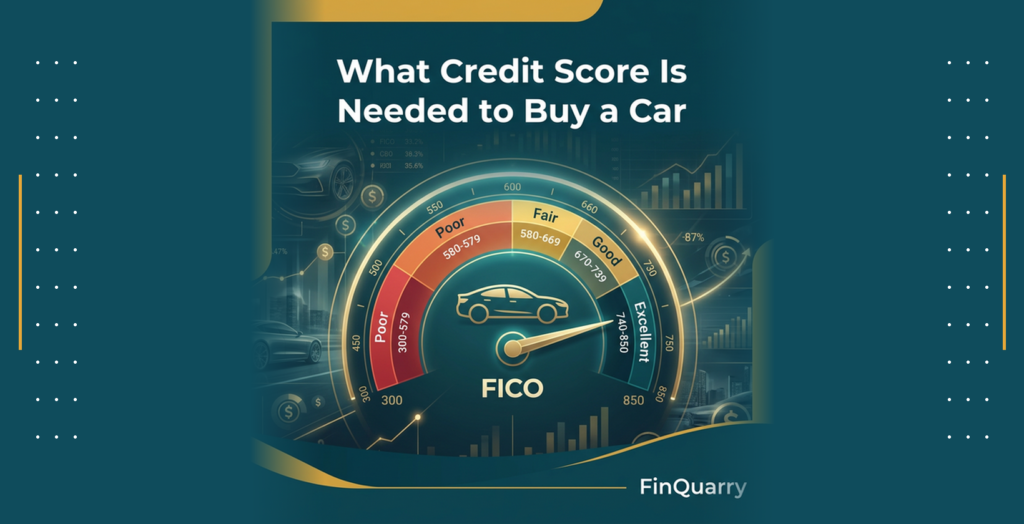
FICO Auto Score uses a 250 to 900 range compared to the 300 to 850 range of standard FICO models, though lenders translate scores into equivalent risk tiers regardless of the numeric scale. More importantly, FICO Auto Score assigns greater weight to auto loan and lease payment history, treating these accounts as more predictive of future auto loan performance than other credit types.
This weighting difference means borrowers with strong auto loan repayment records may score higher on FICO Auto Score than standard FICO scores, while those with past auto loan delinquencies score disproportionately lower. A borrower who maintained perfect auto payments but occasionally missed credit card payments might see their FICO Auto Score exceed their standard FICO score by 20 to 40 points.
The inverse also applies with greater severity. A single 30 day late payment on an auto loan might reduce FICO Auto Score by 60 to 100 points while affecting standard FICO scores by 40 to 60 points. This amplified sensitivity reflects the model’s focus on auto lending specific behavior, which lenders view as more relevant than general credit management patterns.
VantageScore and Alternative Models
Some auto lenders use VantageScore models, which employ different calculation methodologies than FICO scores despite using the same 300 to 850 range. VantageScore weights recent credit behavior more heavily than older activity and can generate scores for consumers with limited credit history who lack sufficient data for FICO scoring.
The practical impact varies by lender preference. Credit unions and smaller regional banks more commonly use VantageScore models, while larger national lenders and captive financing arms predominantly rely on FICO Auto Scores. Borrowers with thin credit files or recent credit building activity may receive more favorable scores under VantageScore methodology, potentially improving approval odds with lenders using these models.
Alternative scoring models also exist but see limited use in mainstream auto lending. Some subprime lenders employ proprietary scoring systems that incorporate rent payment history, utility payments, or banking behavior. These alternatives primarily serve borrowers with insufficient traditional credit history to generate FICO or VantageScore ratings.
Why Your Score and the Lender’s Score Don’t Match
Score discrepancies arise from several sources beyond model differences. Credit bureaus hold different data about the same consumer, with accounts sometimes reporting to one or two bureaus but not all three. A borrower who checks their Experian FICO score might find their lender pulled from Equifax or TransUnion, revealing different underlying credit data that produces different scores.
Timing also creates mismatches. Credit scores update as new information reports to bureaus, which typically occurs monthly but follows varying schedules across different creditors. A borrower who checks their score on the 5th of the month might see data from the previous month, while a lender pulling the score on the 20th sees updated information including recent account changes or payments.
Score monitoring services frequently display educational scores rather than the scores lenders actually use. Free credit score tools often provide VantageScore 3.0 or older FICO models because these cost less to license and display. When the borrower applies for financing, the lender pulls FICO Auto Score 8 or 9, which uses different calculation logic and may produce meaningfully different results.
This transparency gap explains why borrowers should expect some variation between self monitored scores and lender pulled scores. Differences of 10 to 30 points fall within normal variation, while larger gaps usually indicate model differences or credit bureau data discrepancies rather than errors.
What Matters More Than Your Credit Score in Some Cases
Credit score represents one component of auto loan approval decisions, but other factors can outweigh credit history in specific circumstances. Lenders evaluate the complete risk profile, which means strong performance in areas like down payment size, income stability, or vehicle choice can compensate for weaker credit scores. Understanding these offsetting factors helps borrowers with lower scores identify their best approval pathways.
The relative importance of each factor varies by lender type and target market. Credit unions tend to weigh member relationships and income stability more heavily than credit score, while captive lenders may prioritize vehicle choice and promotional alignment over credit history. Subprime specialists focus more intensely on down payment and collateral value than prime lenders do.
Down Payment Size and Risk Reduction
Larger down payments reduce lender risk by lowering the loan to value ratio and decreasing the amount at stake if repossession becomes necessary. A borrower who provides 8,000 dollars down on a 25,000 dollar vehicle creates a 32 percent equity cushion, meaning the lender only risks 17,000 dollars rather than the full vehicle price. This risk reduction can overcome credit score concerns that would otherwise result in denial.
Down payment size also demonstrates financial discipline and commitment. Borrowers who save substantial down payments signal better money management capabilities and lower likelihood of default regardless of past credit issues. Lenders view this behavioral indicator as partially offsetting historical credit problems, particularly when combined with stable income and low existing debt.
The approval impact varies by credit tier. A borrower with a 580 credit score putting 20 percent down may receive terms similar to a 640 score borrower with minimal down payment. For borrowers below 600, down payment often becomes the single most important approval factor after minimum income verification. Increasing down payment from 5 percent to 15 percent can mean the difference between denial and approval at many lenders.
Income Stability and Employment History
Consistent employment history and stable income often matter more than credit score for borrowers in the 580 to 660 range. Lenders verify employment tenure, income consistency, and job type to assess repayment reliability. A borrower with a 600 credit score but four years at the same employer with steady salary increases presents lower risk than a 680 score borrower with three job changes in two years.
Income level relative to requested payment also influences how heavily lenders weight credit score. When monthly payment represents less than 10 percent of gross monthly income, lenders may approve borrowers with weaker credit scores because payment affordability is clear. A borrower earning 8,000 dollars monthly seeking a 350 dollar payment faces minimal income related risk even with a 620 credit score.
Self employment and variable income complicate approval regardless of credit score. Borrowers with fluctuating income typically need higher credit scores to compensate for income uncertainty, with most lenders requiring 650 or higher for self employed applicants versus 600 for traditionally employed borrowers. Income documentation requirements also increase, often requiring two years of tax returns rather than recent pay stubs.
Vehicle Choice and Loan Structure
Choosing less expensive vehicles improves approval odds by reducing total loan amount and required monthly payment. A borrower declined for a 30,000 dollar vehicle might gain easy approval for a 20,000 dollar vehicle with identical credit and income profiles. The lower absolute risk amount gives lenders more flexibility to approve marginal applications.
Vehicle reliability and resale value also factor into approval decisions. Lenders prefer vehicles with strong depreciation histories and broad market appeal because these characteristics improve recovery value if repossession occurs. Popular models from manufacturers with strong reliability ratings typically receive better loan terms than unusual or specialty vehicles, particularly for borrowers with credit scores below 700.
Loan term length affects approval probability through its impact on monthly payment and default risk. Shorter terms create higher monthly payments but lower total default probability, while longer terms reduce payment amounts but extend risk exposure. Some lenders approve marginal borrowers more readily on 48 or 60 month terms compared to 72 or 84 month terms, viewing the shorter obligation period as reducing overall risk despite higher individual payments.
Can You Buy a Car With Bad Credit?
Buying a car with bad credit remains possible through specialized lending channels and alternative financing structures. Approval typically requires compensating factors such as larger down payments, documented income stability, or willingness to accept higher interest rates and restrictive loan terms. Understanding the mechanics and risks of bad credit auto financing helps borrowers make informed decisions about whether to proceed with available options or delay purchase while improving credit.
Bad credit generally refers to credit scores below 600, though definitions vary by lender and market context. Borrowers in this range access different lending channels than prime borrowers, with approval odds and loan terms varying significantly based on how far below 600 the score falls and what other financial strengths exist.
How Bad Credit Auto Loans Work
Bad credit auto loans function through specialized lenders who accept higher default risk in exchange for elevated interest rates and fees. These lenders typically require down payments of 10 percent to 25 percent, limit loan terms to 48 to 60 months, and charge APRs ranging from 15 percent to 24 percent depending on specific risk factors. Some also require GPS tracking device installation to facilitate vehicle recovery if payments stop.
Approval mechanics focus more heavily on income verification and debt to income calculation than credit history details. Lenders want confirmation that borrowers earn sufficient income to cover payments plus existing obligations, typically requiring DTI ratios below 45 percent to 50 percent. Employment tenure of at least six months to one year also commonly appears as a requirement, with many lenders preferring two or more years at current employer.
Vehicle restrictions often apply, with many bad credit lenders limiting approved vehicles to those less than eight or ten years old with mileage below 100,000 to 120,000. These limits protect lender interests by ensuring collateral retains sufficient value to cover loan balances if repossession becomes necessary. Borrowers seeking older or higher mileage vehicles may face denial or require substantially larger down payments to offset increased risk.
Buy Here Pay Here Dealers: Risks Explained
Buy here pay here dealerships extend credit directly without third party lender involvement, approving nearly any credit profile in exchange for extremely unfavorable loan terms. These dealers typically charge interest rates between 18 percent to 29 percent, require weekly or biweekly payments rather than monthly, and maintain aggressive collections practices including GPS tracking and rapid repossession for missed payments.
The total cost of BHPH financing frequently exceeds reasonable market value for the vehicles sold. A vehicle worth 8,000 dollars might carry a contract price of 12,000 dollars with financing terms that result in 18,000 dollars total payment over three years. While approval is nearly certain, the financial burden often leads to default and repossession, leaving borrowers worse off than before purchase.
BHPH dealers also report to credit bureaus inconsistently. Many report late payments and defaults but fail to report on time payments, providing no credit building benefit even when borrowers successfully complete contracts. This reporting asymmetry means BHPH financing often damages credit without offering improvement opportunities, unlike traditional auto loans that help build positive payment history.
When Bad Credit Financing Makes Sense and When It Doesn’t
Bad credit auto financing makes sense primarily when transportation access directly enables income generation and credit improvement timing is uncertain. A borrower who loses a job due to lack of transportation might rationally accept unfavorable loan terms to regain employment access, particularly if the income increase exceeds the additional financing costs.
Financing also makes sense when the vehicle need is urgent and genuine, such as replacement of a completely failed vehicle in a location without public transportation alternatives. In these situations, the question becomes which bad credit option minimizes total cost rather than whether to finance at all.
Bad credit financing rarely makes sense for discretionary purchases or when viable alternatives exist. Borrowers who have functioning vehicles should generally delay purchase while improving credit scores and saving larger down payments, even if this requires several months of additional use from current vehicles. The interest cost savings from a 100 point credit score improvement typically exceed any perceived benefit from immediate vehicle upgrade.
Financing also should be avoided when monthly payments would consume more than 15 percent to 20 percent of gross income or when total vehicle cost including interest exceeds the borrower’s reasonable transportation needs. A borrower earning 3,000 dollars monthly should not accept a 600 dollar monthly payment for a vehicle they could reasonably replace with one costing 400 dollars monthly under better credit terms.
How to Improve Your Chances Before Applying for a Car Loan
Borrowers can meaningfully improve auto loan approval odds and terms through strategic preparation before submitting applications. Unlike mortgage lending, which often involves months long qualification processes, auto loan preparation can yield results within weeks to months depending on starting credit profile and specific improvements needed.

The most effective preparation focuses on factors lenders evaluate during underwriting: credit score improvement, debt reduction, down payment accumulation, and income documentation organization. Borrowers should prioritize improvements that move them across tier boundaries, such as from 590 to 620 or from 655 to 665, as these transitions trigger noticeable rate and term improvements.
Credit Improvements That Actually Matter for Auto Loans
Payment history represents the most important factor in both FICO Auto Score and standard credit scoring models, accounting for roughly 35 percent of score calculation. Establishing a pattern of on time payments across all accounts for three to six months before applying demonstrates improved credit behavior. Even one or two months of perfect payment history can yield 10 to 20 point score improvements for borrowers with recent late payments.
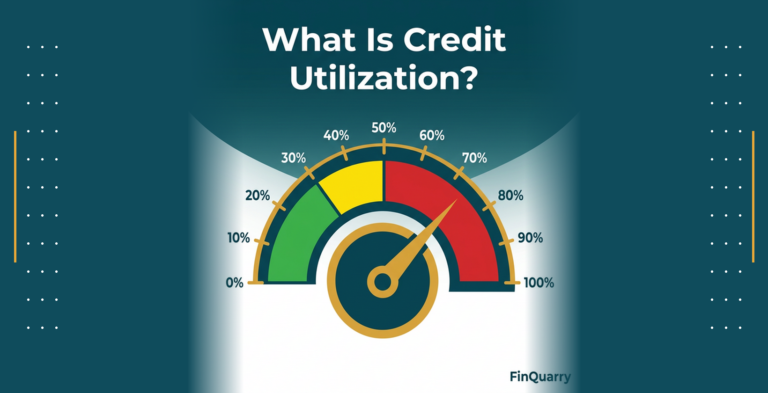
Credit utilization, which measures credit card balances relative to credit limits, offers the fastest improvement pathway for borrowers with high balances. Paying down credit card debt to below 30 percent of available limits typically produces score increases within one to two billing cycles. Reducing utilization from 80 percent to 25 percent might improve scores by 40 to 60 points depending on overall credit profile.
Recent derogatory marks carry more weight than older issues in auto lending decisions. A bankruptcy from five years ago affects approval odds less than a repossession from 18 months ago or current collection accounts. Borrowers should prioritize resolving recent collections and charge offs before applying, as lenders view active negative items as stronger warning signals than aged derogatory marks.
Why Timing Your Application Matters
Credit inquiries reduce scores by roughly 5 to 10 points each, with multiple auto loan inquiries within a 14 to 45 day period typically counting as a single inquiry for scoring purposes. This rate shopping window allows borrowers to compare offers without accumulating excessive inquiry damage. Applying outside this window or mixing auto inquiries with other credit applications amplifies score impact unnecessarily.
Score volatility around billing cycle timing affects which score version lenders see. Credit card issuers report balances to bureaus on varying schedules, typically around statement closing dates. Borrowers with high balances should time applications for periods when reported balances are lowest, which usually means applying shortly after making large payments and before accumulating new charges.
Recent account openings also create temporary score suppression. Opening a new credit card within three to six months of applying for auto financing typically reduces credit scores by 10 to 30 points through a combination of inquiry impact, average account age reduction, and new account negative weighting. Borrowers planning auto purchases should avoid opening other credit accounts in the preceding months when possible.
Preapproval and Shopping Power
Obtaining preapproval from banks or credit unions before visiting dealerships provides several strategic advantages. Preapproval establishes a rate ceiling that borrowers can use to negotiate dealer financing offers, as dealers must beat or match external financing to secure the business. This competitive pressure often yields rate reductions of 1 to 2 percentage points compared to accepting initial dealer offers.
Preapproval also clarifies budget constraints before emotional vehicle selection occurs. Borrowers who know their approved amount and rate can focus on vehicles within affordable ranges rather than stretching budgets for vehicles they encounter on dealer lots. This discipline reduces the risk of overextension and buyer’s remorse.
The preapproval process reveals credit profile weaknesses before formal application, giving borrowers time to address issues. A preapproval denial or unfavorable terms signal that additional credit improvement is needed, allowing borrowers to delay purchase and work on credit rather than accepting poor terms under time pressure. Most preapprovals remain valid for 30 to 60 days, providing a defined window for vehicle shopping without rate uncertainty.
Should You Apply Now or Wait?
The decision to apply for auto financing immediately versus delaying to improve credit position depends on transportation urgency, credit improvement timeline, and cost benefit analysis of waiting. Borrowers should evaluate whether additional preparation time would yield sufficient rate improvement to justify delayed purchase.
This decision framework receives minimal coverage in competitor content but significantly affects long term financial outcomes. A borrower who waits three months to improve their score from 610 to 650 might save 3,000 to 5,000 dollars in interest over a typical loan term, representing meaningful return on the delayed gratification.
When Applying Now Makes Sense
Immediate application makes sense when vehicle failure creates genuine transportation crisis and no alternative solutions exist. A borrower whose only vehicle experiences catastrophic mechanical failure in a location without public transit faces legitimate urgency that outweighs rate optimization concerns. In these cases, accepting suboptimal terms is preferable to income loss from inability to commute.
Applying now also makes sense when credit improvement timeline appears lengthy or uncertain. A borrower with multiple recent late payments, collections, or other serious derogatory marks may need 12 to 24 months of perfect payment history to achieve meaningful score improvement. Delaying purchase for this duration often proves impractical, making current financing at available terms the realistic choice.
Special manufacturer financing promotions create time sensitive opportunities that favor immediate application for qualified borrowers. Zero percent financing offers or substantial rebates sometimes justify purchase timing even when marginal credit improvement remains possible. The value of promotional terms must exceed the expected benefit of waiting to improve credit by a clear margin to justify this approach.
When Waiting Can Save You Thousands
Waiting makes financial sense when moderate credit improvement appears achievable within three to six months and current transportation remains functional. A borrower with a 595 credit score who can reach 620 through payment history improvement and balance reduction would typically save 2 to 4 percentage points in APR, translating to 2,500 to 5,000 dollars in interest savings on a 25,000 dollar loan.
Delay also makes sense when down payment accumulation would move the borrower across LTV thresholds that affect approval or rates. Saving an additional 2,000 to 3,000 dollars for down payment over two to four months often improves loan terms more than equivalent credit score increases would. The down payment both reduces loan amount and signals financial discipline to lenders.
Borrowers in the 655 to 680 range often benefit most from strategic delay because relatively small score improvements move them into prime territory with substantially better rate offerings. A borrower at 665 who can reach 680 through normal account aging and payment history might reduce APR by 2 to 3 percentage points, creating significant savings for modest delay.
A Simple Buyer Readiness Checklist
Borrowers should consider themselves ready to apply when they meet most of the following conditions. This checklist reflects actual approval factors rather than aspirational targets, providing realistic self assessment criteria.
Credit score at or above 620, or compensating factors in place if below this threshold. Compensating factors include 15 percent or larger down payment, two or more years stable employment, debt to income below 35 percent, or vehicle choice below 25,000 dollars.
Down payment saved of at least 10 percent to 15 percent of target vehicle price. Higher down payment proves increasingly important as credit score decreases, with scores below 600 benefiting significantly from 20 percent or larger down payments.
Debt to income ratio below 40 percent including projected auto payment. Borrowers should calculate total monthly debt obligations plus estimated car payment and confirm this sum remains below 40 percent of gross monthly income, preferably below 35 percent for stronger approval odds.
Employment tenure of at least six months at current job, preferably one year or longer. Self employed borrowers should have at least two years of tax returns showing consistent income levels.
No missed payments in the previous three to six months across any credit accounts. Recent payment history weighs heavily in approval decisions, with perfect recent history partially offsetting older credit issues.
Vehicle target identified with realistic price expectations based on income level and credit tier. Vehicle price should not exceed 35 percent of annual income except for very high income borrowers or those with exceptional credit profiles.
Does Buying a Car Help or Hurt Your Credit Score?
Auto loans affect credit scores through multiple mechanisms, creating both short term score decreases and long term improvement potential. The net impact depends on payment behavior, existing credit mix, and how the new account integrates with the borrower’s overall credit profile. Understanding these dynamics helps borrowers anticipate score changes and plan accordingly.
Most borrowers experience temporary score decreases immediately after auto loan approval followed by gradual recovery and potential improvement if payments remain current. The timeline and magnitude of these effects vary based on credit history depth and other account activity.
Short Term Credit Score Effects
Credit inquiries from loan applications reduce scores by approximately 5 to 10 points, with the impact lasting roughly 12 months before fully dissipating. Multiple auto loan inquiries within a 14 to 45 day shopping period count as a single inquiry, limiting damage from rate comparison. The inquiry effect represents the smallest component of short term score impact.
New account opening creates larger temporary decreases by reducing average account age and introducing a new obligation into the credit profile. Borrowers with thin credit files often see score drops of 20 to 40 points from new account addition, while those with extensive credit histories experience smaller decreases of 10 to 20 points. These effects begin recovering within three to six months as the account ages.
Initial high balance relative to original loan amount also suppresses scores temporarily. Installment loan utilization differs from revolving credit utilization in scoring impact, but new installment loans at maximum balance create slight negative effects that diminish as principal pays down. This factor contributes an additional 5 to 15 points of temporary score decrease.
Total short term impact typically ranges from 15 to 50 points depending on credit history depth, with recovery to pre application levels occurring over 6 to 12 months assuming consistent on time payments.
Long Term Credit Building Potential
On time auto loan payments build positive payment history that strengthens credit scores over months and years. Payment history constitutes the largest single factor in credit scoring, meaning consistent auto loan payments can offset past credit issues and demonstrate improved financial behavior. Borrowers who maintain perfect payment records often see scores improve by 30 to 60 points within 12 to 18 months of account opening.
Credit mix improvement benefits borrowers who previously held only credit cards or only installment loans. Credit scoring models favor diverse account types, interpreting mixed credit use as indicating broader financial management capability. Adding an auto loan to a credit card only profile typically provides 10 to 20 points of score benefit once the account matures beyond initial opening penalties.
The account aging itself contributes to score improvement through increased average account age over time, though this effect develops slowly. An auto loan held for several years becomes a seasoned account that strengthens credit profiles, particularly for younger borrowers building credit history. This benefit accumulates gradually rather than appearing as discrete score jumps.
Successful loan completion and payoff creates a positive closed account that remains on credit reports for 10 years, continuing to contribute positive payment history long after the vehicle is paid off. This legacy effect makes auto loans particularly valuable for credit building compared to revolving accounts that may close immediately upon payoff.
Key Takeaways: What Credit Score You Really Need to Buy a Car
Auto loan approval and pricing depend on credit score as one component within a broader risk evaluation framework. Understanding this complete decision model enables better self assessment and preparation than focusing solely on credit score targets.
The practical answer to credit score requirements varies meaningfully by lender type, borrower financial profile, and vehicle characteristics. These variations create opportunities for borrowers across credit tiers to access financing, though terms and costs differ substantially based on overall risk presentation.
The Real Answer in One Sentence
You do not need a specific credit score to buy a car, but your score combined with income stability, debt obligations, down payment size, and vehicle choice determines both approval probability and borrowing costs.
This framing acknowledges that credit score matters significantly while recognizing it functions within a multi factor decision system. Lenders assess complete risk profiles rather than approving or denying based on isolated score thresholds. A borrower with a 580 score and strong compensating factors often receives better terms than a 650 score borrower with weak income documentation and high existing debt.
The emphasis on borrowing costs versus approval alone also reflects the reality that most credit challenged borrowers can gain approval somewhere but may face financially unsustainable terms. The more important question is whether available terms create reasonable total costs rather than whether approval is possible.
How to Use This Information to Make a Better Decision
Borrowers should evaluate their complete financial profile using the framework lenders apply, identifying both strengths and weaknesses rather than focusing exclusively on credit scores. This assessment reveals which improvements would yield the greatest approval and rate benefits given individual circumstances.
For borrowers with scores below 620, down payment accumulation and income documentation often matter more than marginal score improvements. Adding 2,000 to 3,000 dollars to down payment or documenting an additional income source typically improves outcomes more than increasing scores by 15 to 20 points in this range.
For those between 620 and 680, moderate credit score improvement through payment history and utilization management creates disproportionate benefits by moving borrowers from subprime into prime rate tiers. A 30 to 40 point improvement in this range often reduces APR by 2 to 4 percentage points, justifying delayed purchase when improvement appears achievable within three to six months.
Borrowers above 680 should focus on loan structure optimization rather than additional credit improvement. Negotiating vehicle price, maximizing down payment, and choosing appropriate loan terms typically save more money than raising already strong credit scores further.
The decision to apply for financing ultimately depends on individual transportation needs, credit improvement timeline, and cost benefit analysis of waiting. This guide provides the framework for making that assessment based on complete lender decision criteria rather than oversimplified score requirements.
Frequently Asked Questions
Can I get approved with a 580 credit score?
Approval with a 580 credit score is possible through subprime lenders and some credit unions, though terms will be less favorable than higher score tiers. Most lenders require compensating factors such as 15 percent to 20 percent down payment, stable employment of at least one year, and debt to income ratio below 40 percent. Interest rates typically range from 14 percent to 20 percent depending on other risk factors. Vehicle restrictions may apply, with many lenders limiting approved vehicles to those less than eight years old.
What credit score do dealers look for?
Dealers work with multiple lenders across different credit tiers, so the score they look for depends on which lender they submit your application to. Most dealer networks include subprime specialists who approve scores as low as 500 alongside prime lenders requiring 660 or higher. Dealers earn revenue through rate markup on approved loans, which incentivizes them to find approval somewhere in their lender network regardless of credit score. The more relevant question is what interest rate and terms the available approval offers rather than whether approval is possible.
What is the best credit score before buying a car?
The best credit score for auto financing falls in the 720 to 760 range, where borrowers access the lowest available interest rates while avoiding the diminishing returns that occur above 760. Borrowers in this range qualify for manufacturer promotional rates, face minimal approval barriers, and receive competitive offers from multiple lender types. Scores above 760 provide marginal additional benefit, typically measuring in tenths of percentage points rather than full point APR improvements.
Can I refinance after improving my credit?
Auto loan refinancing becomes viable once credit scores improve by 40 to 60 points or more from the original loan approval, typically requiring 12 to 18 months of on time payment history. Refinancing makes financial sense when it reduces interest rate by at least 2 percentage points and sufficient loan balance remains to justify refinancing costs. Most lenders require minimum loan amounts of 7,500 to 10,000 dollars for refinancing and may restrict refinancing on vehicles over seven or eight years old.
Does a cosigner replace a low credit score?
A cosigner with strong credit does not replace the primary borrower’s credit score but adds an additional approval and repayment guarantee that offsets low score risk. Lenders evaluate both the primary borrower and cosigner, approving based on the stronger credit profile while considering both incomes for debt to income calculation. Cosigners become legally obligated for the full loan amount and face credit damage if the primary borrower defaults, making this a significant financial commitment that should be approached carefully by both parties.