Table of Contents
Contents are generated from article headings.
Executive Summary:
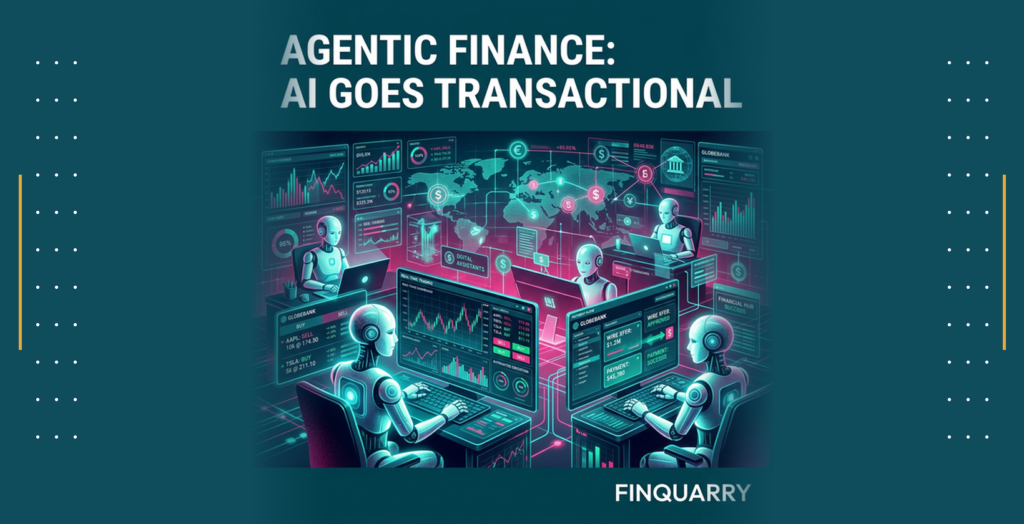
- The Catalyst: Mastercard and Banco Santander successfully executed Europe’s first live, end-to-end payment via an Artificial Intelligence (AI) agent.
- The Market Reaction: Capital markets are aggressively rewarding structural AI integration, evidenced by Block (Square) shares surging following its AI-driven restructuring announcements.
- The Infrastructure Shift: The financial sector is rapidly abandoning rigid, rules-based gateways in favor of autonomous, intent-based payment routing.
The Milestone: Mastercard and Santander’s Agentic Pilot
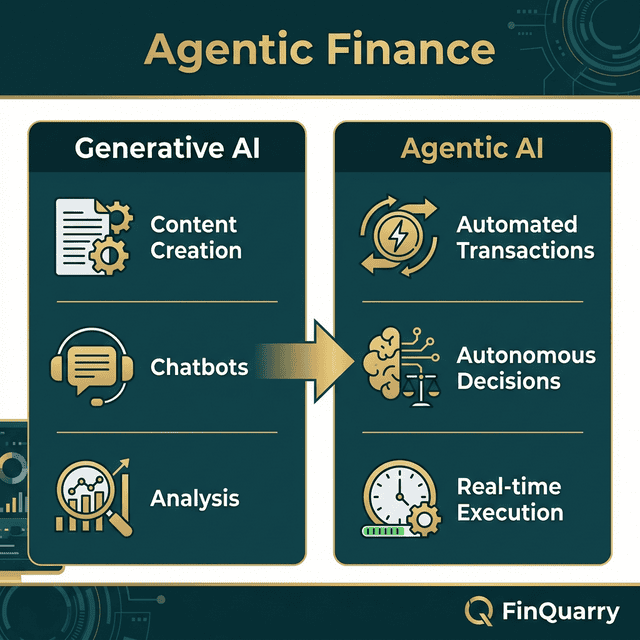
The long-anticipated leap from generative AI to transactional, “agentic” AI is officially underway. During the first week of March 2026, Spanish banking giant Banco Santander, in partnership with Mastercard, completed what both entities confirmed as Europe’s first live AI agent payment.
Unlike traditional automated clearing, where software simply follows a user’s manual prompt, an AI agent is granted the autonomy to execute multi-step financial workflows on behalf of a corporation or consumer. Following this successful pilot, Santander announced it is immediately moving into extended testing and scaling across additional banking use cases.
The Death of Static Gateways and the Rise of Intent
For years, digital payment infrastructure relied on outdated, localized rules. If a corporate cross-border transaction met a strict set of predefined parameters, it was forced down a static, pre-assigned gateway.
Today, we are witnessing a systemic shift from those rigid, outdated parameters to modern, intent-based execution.
Instead of relying on hardcoded rules, modern AI payment agents analyze the underlying context and goal of the transaction. By understanding the intent of the capital movement—whether it prioritizes settlement speed, minimizes foreign exchange fees, or requires specific compliance checks—the AI dynamically routes the payment through the optimal financial corridor in real-time. This intent-based approach drastically reduces failed transactions and cross-border latency.
Semantic Entity Breakdown: AI Market Impacts
To understand the macroeconomic ripple effects of this technology, it is crucial to analyze how capital markets are re-evaluating fintech valuations based on AI adoption.
| Market Entity | March 2026 Development | Strategic Implication for CFOs |
| Block (NYSE: SQ) | Shares jumped following CEO Jack Dorsey’s announcement of corporate layoffs tied directly to AI-driven restructuring. | The market is placing a higher premium on automated efficiency and reduced headcount over traditional growth-at-all-costs models. |
| Clear Street | The Wall Street broker withdrew its highly anticipated U.S. IPO. | Legacy platforms lacking clear agentic AI infrastructure are facing severe market volatility and weak listing sentiment. |
| UiPath | Acquired WorkFusion to expand AI automation specifically in Anti-Money Laundering (AML) and KYC compliance. | AI agents are not just moving money; they are actively managing the regulatory risk and compliance of those movements. |
The Bottom Line for Corporate Finance
The integration of agentic AI is no longer a theoretical whitepaper topic; it is actively moving institutional capital. As the sector transitions toward intent-based operational models, financial institutions and corporate treasuries that cling to manual authorizations and static routing will find themselves at a severe competitive and cost disadvantage.