How to Reset Your Budget After Overspending: A Step-by-Step Recovery Plan
Budget reset addresses overspending-caused financial disruption through systematic spending realignment with income. This process involves four core components:…
Expert insights, data-driven guides, and actionable advice.
Compounding takes time because exponential growth builds slowly at first on a small base, accelerates only after repeated accumulation, and is influenced by behavioral delays. Early gains appear minimal because percentage growth on small amounts produces small absolute increases. Consider $1,000 invested at 8% annual returns. After one year, the gain is $80. After five…
Investment discipline is the consistent adherence to a structured investment plan, combining goal-setting, systematic portfolio management, cost control, and behavioral awareness to achieve long-term financial success. It involves maintaining predetermined asset allocations, rebalancing systematically, resisting emotional impulses during market volatility, and staying invested through complete market cycles. Disciplined investors follow evidence-based strategies rather than reacting…
Fear of losing money is a psychological response to potential financial loss that influences how people spend, save, invest, and make career decisions. This fear exists because humans perceive losses more intensely than equivalent gains, a phenomenon studied extensively in behavioral finance research.The fear affects financial decisions by triggering avoidance behaviors. People may hold excessive…
Explore our most recent guides and insights on this topic.
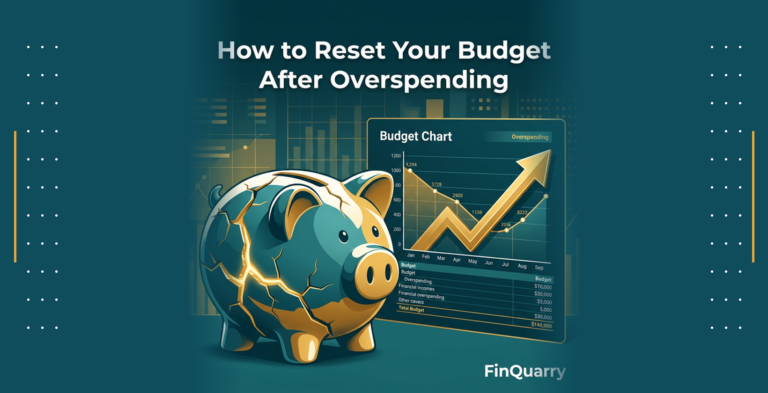
Budget reset addresses overspending-caused financial disruption through systematic spending realignment with income. This process involves four core components:…
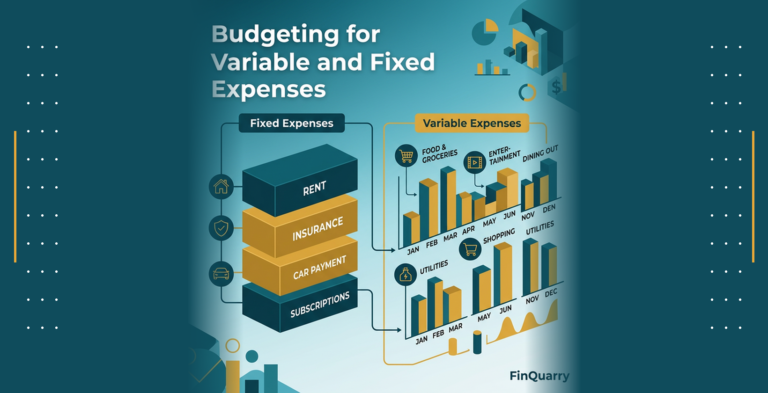
Managing money effectively requires understanding how different expense types behave. Some costs stay constant regardless of activity levels.…
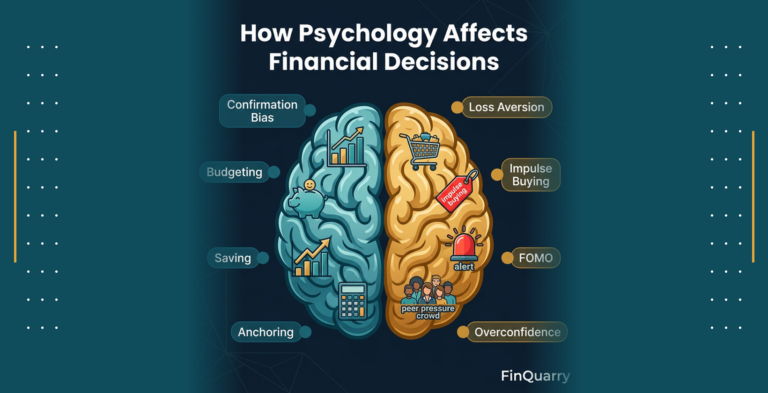
Psychology affects financial decisions by introducing cognitive biases, emotional responses, and mental shortcuts that systematically override rational analysis.…

Money psychology refers to the study of how psychological factors—including emotions, cognitive biases, personality traits, and mental models—influence…
Join 25,000+ readers for expert insights delivered weekly.